
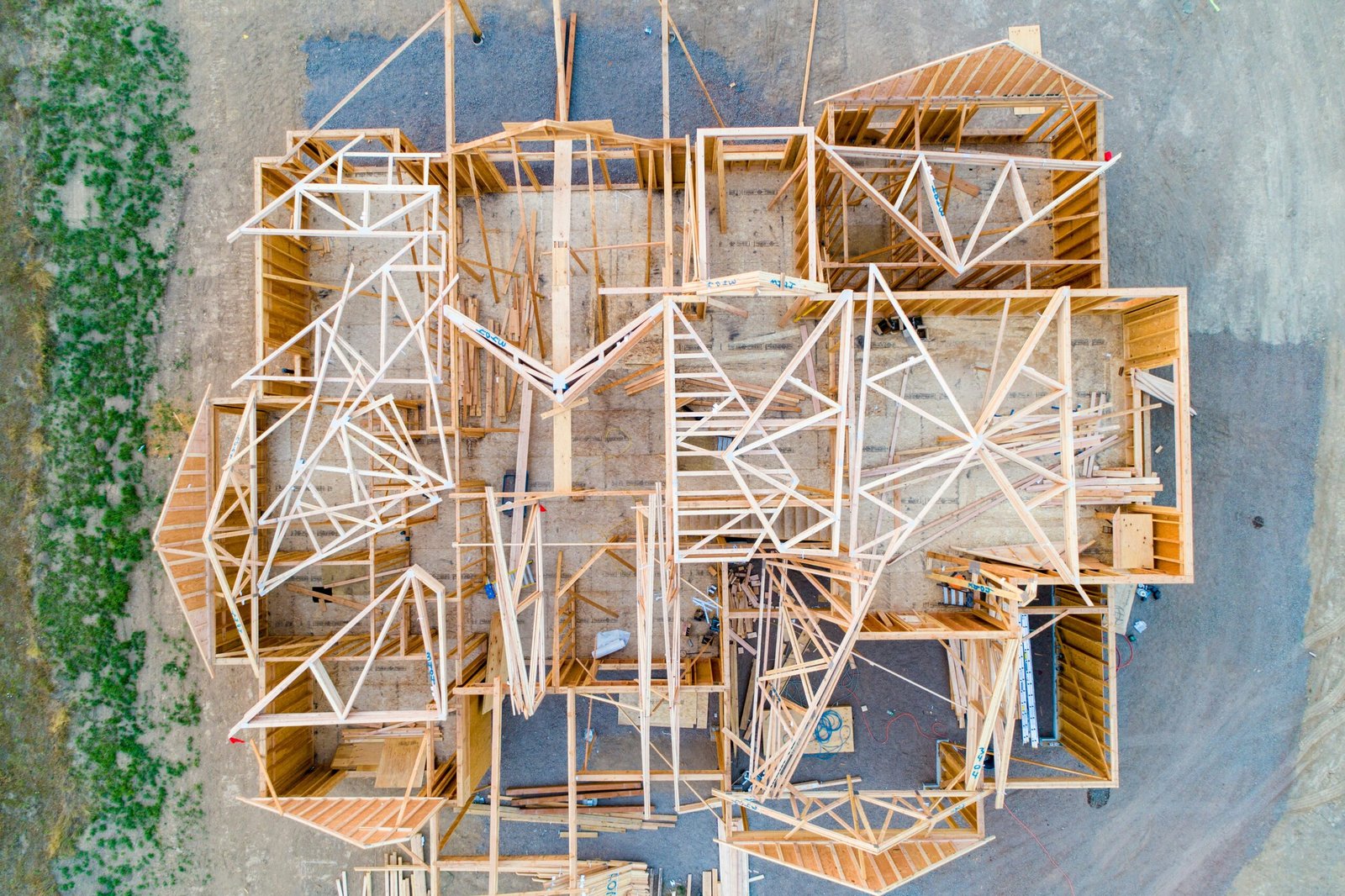
New construction upgrades are exciting to shop for — and a little dangerous. Walking into a builder’s design center, every upgrade looks worth it in the moment, and the numbers add up fast. Some of those upgrades genuinely make your home better and are nearly impossible to add later. Others are pure markup you could do yourself for half the price the weekend after you move in.
Here’s the single rule that saves the most money: pay the builder for things that are hard, messy, or expensive to change later — and skip anything cosmetic you can swap out in a weekend. If it touches structure, wiring, plumbing, or walls, do it now. If it’s a fixture, a finish, or a color, do it later on your own terms.
Below is exactly how that plays out, category by category.
New Construction Upgrades Worth the Money
Electrical: outlets, circuits, and wiring. This is the highest-value upgrade dollar you can spend. Extra outlets, additional circuits, recessed can lighting, under-cabinet wiring, and Ethernet runs are cheap to add while the walls are open and expensive to retrofit later. Think about where you’ll actually plug things in — kitchen counters, a home office, the garage for an EV charger, outdoor outlets for holiday lights — and add them now.
Rough-ins and pre-wiring. Ask for plumbing rough-ins in spaces you might finish later (a basement bathroom, a wet bar, a future outdoor kitchen) and conduit or pre-wiring for things like solar, a hot tub, or a car charger. Adding a rough-in during construction costs a fraction of cutting into finished space down the road.
Insulation and energy efficiency. Upgraded insulation, better windows, and air sealing aren’t glamorous, but they lower your utility bills every single month and make the home more comfortable and quieter. Because they’re buried in the walls, they’re among the few upgrades you truly cannot redo later without a demolition.
Structural layout changes. Anything that moves a wall, extends a room, adds a window, raises a ceiling, or reconfigures the floor plan should happen now. These are literally impossible to “add later” without major renovation. If the builder offers a more functional kitchen layout, a larger shower footprint, or added storage where it genuinely improves how you live, that’s money well spent.
Tile and shower work. Reworking a tiled shower or bathroom after the fact is one of the most expensive remodeling jobs there is. If you want a larger shower, tile to the ceiling, or a better layout, pay for it during the build. Mirrors, lighting, and paint in that same bathroom? Those you can change anytime.
Flooring (sometimes). Hard flooring like tile and quality hardwood is disruptive to replace once furniture is in and you’re living there. If the builder’s upgrade price is reasonable, doing it during construction saves a huge hassle. Carpet, on the other hand, is easy and cheap to replace later — don’t overpay for it now.
Upgrades to Skip (Do Them Later for Less)
Light fixtures, mirrors, and hardware. These are the easiest swaps in the entire house — a screwdriver and an afternoon. Builders charge a premium for basic fixtures; take the standard option and replace them later with pieces you actually love, often for less money and far more style.
Paint colors. Almost never worth a builder upcharge. Painting is the cheapest, easiest change you can make, and doing it yourself (or hiring a painter) after closing gives you unlimited color choices instead of the builder’s short list.
Countertops and backsplash. Builders typically use one supplier and add a hefty markup. If you can live with a standard counter for a while, you’ll usually get more choice and a better price sourcing stone and an installer yourself. Backsplash upgrades in particular carry a big builder premium for a job a good tile setter can do affordably later.
Appliance packages. Builder appliance bundles tend to carry a heavy markup with limited selection. You’ll almost always do better buying your own during a seasonal sale (holiday weekends are best) and scheduling installation after closing — better brands, better prices.
Landscaping. Your yard is a forever work in progress. Take the builder’s basic starter package and add plants, beds, and features yourself over time. Premium landscaping upgrades rarely justify their cost up front.
Smart-home “packages.” Builder smart-home bundles are often overpriced and locked to one ecosystem. What’s worth doing now is the wiring and rough-in (see above); the actual devices — video doorbell, smart locks, thermostats, cameras — you can buy and install yourself for less, and swap as the tech improves.
A Simple Way to Decide
Before you say yes to any upgrade, ask two questions:
- Does it touch structure, wiring, plumbing, or walls? If yes, strongly consider doing it now — retrofitting is painful and costly.
- Could I do this myself in a weekend with basic tools? If yes, skip the builder’s price and do it later.
Run every line item on the design-center sheet through those two questions and you’ll naturally steer your budget toward the upgrades that matter and away from the ones that are just markup.
The Bottom Line
The new construction upgrades worth paying your builder for are the invisible, permanent ones — electrical, insulation, rough-ins, structural changes, and tile work. The ones to skip are the visible, swappable ones — fixtures, paint, counters, appliances, and landscaping — because you can add those later, on your budget, with far more choice. Spend where it’s hard to change, save where it’s easy, and you’ll walk into a better home for thousands less.